
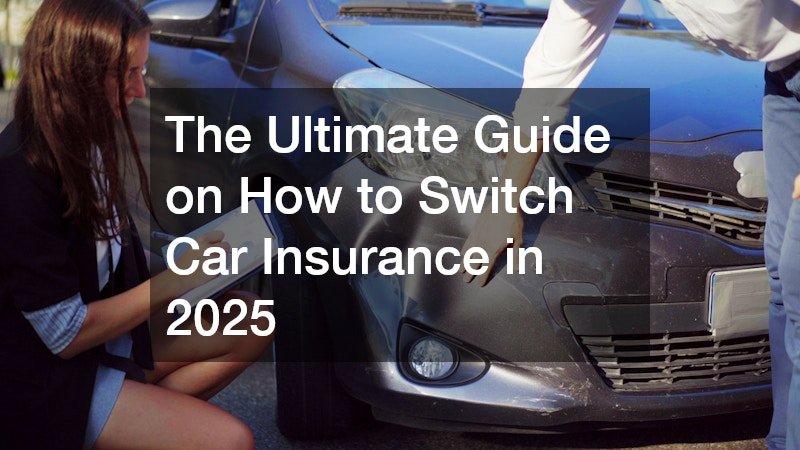
Ultimate Guide to Car Insurance in the USA 2025
Edition
Car insurance is more than just a legal
requirement in the United States — it’s a critical financial safety net that
protects drivers, passengers, vehicles, and third parties in the event of
accidents or unexpected events. Whether you're buying your first car or
shopping around for better rates, understanding how car insurance works in the
USA is crucial.
In this detailed guide, we’ll cover:
What
Is Car Insurance?
Car insurance is a contract between
you and an insurance company. You agree to pay a premium, and in return, the
insurer agrees to cover certain financial losses resulting from accidents,
theft, or other vehicle-related issues as specified in your policy.
It’s legally required in almost all
U.S. states, with specific minimums varying by state. Driving without car
insurance can lead to heavy penalties, license suspension, and even jail time.
Types
of Car Insurance Coverage in the USA
Understanding the different types of
car insurance is key to making the right decision. Here’s a breakdown:
1.
Liability Insurance (Mandatory in most states)
2.
Collision Coverage
Covers damage to your vehicle in a
collision, regardless of fault.
3.
Comprehensive Coverage
Covers damage not caused by a
collision, such as theft, vandalism, fire, natural disasters, or hitting an
animal.
4.
Uninsured/Underinsured Motorist Coverage (UM/UIM)
Covers your injuries and damages if
you're hit by a driver without insurance or with insufficient insurance.
5.
Medical Payments / Personal Injury Protection (PIP)
Covers medical expenses for you and
your passengers, regardless of fault. Required in no-fault states.
Minimum
Car Insurance Requirements by State
Each state has its own laws about
the minimum amount of insurance you must carry. Here are a few examples:
Always check with your state’s DMV
or insurance department for the latest requirements.
Step-by-Step
Procedure to Get Car Insurance in the USA
Here is a complete, step-by-step
guide on how to buy car insurance:
Step
1: Gather Your Information
To get accurate quotes, you’ll need
the following:
Step
2: Decide What Coverage You Need
Ask yourself:
For example, full coverage is often
recommended for newer vehicles, while liability-only may suffice for older
cars.
Step
3: Get Quotes from Multiple Providers
Compare car insurance quotes online
or through agents. Top insurers in the U.S. include:
Use comparison sites like:
Step
4: Evaluate Deductibles and Premiums
The deductible is what you pay
out-of-pocket before insurance kicks in. Higher deductibles usually mean lower
monthly premiums — but don’t set it too high if you can't afford to pay it in
an emergency.
Step
5: Review Discounts
Ask about discounts:
Step
6: Choose a Provider and Finalize Policy
Once you choose a plan:
Step
7: Get Proof of Insurance
Once approved, your provider will
give you:
You must carry proof of insurance
when driving.
Factors
That Affect Your Car Insurance Premium
Your car insurance premium is
calculated based on several variables:
|
Factor |
Impact |
|
Driving Record |
Accidents and violations raise
rates |
|
Age |
Young drivers (under 25) pay more |
|
Location |
Urban areas usually have higher
premiums |
|
Vehicle Type |
Sports/luxury cars cost more to
insure |
|
Credit Score |
Used in most states to assess risk |
|
Coverage Type |
More coverage = higher premium |
|
Mileage |
More miles = higher risk = higher
cost |
Tips
to Save Money on Car Insurance
Frequently
Asked Questions (FAQs)
Q1.
Is car insurance mandatory in every U.S. state?
Almost all states require some form
of car insurance. New Hampshire and Virginia have unique rules but still hold
drivers financially responsible.
Q2.
What is “full coverage”?
Full coverage typically refers to a
policy that includes liability, collision, and comprehensive
insurance. It doesn't mean “everything” is covered.
Q3.
Can I get car insurance without a license?
Yes, but it's complicated. Some
insurers offer coverage if you list someone else as the primary driver.
Q4.
How can I cancel my car insurance?
Contact your insurer directly.
Ensure you have a new policy in place if you're switching — never drive
uninsured.
Q5.
What happens if I drive without insurance?
You could face:
Conclusion
Car insurance is not just a legal
formality — it’s your financial shield in one of the most unpredictable
environments: the road. Whether you're buying your first policy or considering
switching providers, knowing the ins and outs of coverage types, legal
requirements, and how to buy a policy can save you money and give you peace of
mind.
Start by evaluating your needs,
comparing quotes, and understanding your options. With the right information
and a bit of planning, you can find the best coverage at the best price.
Need
Help Choosing the Right Insurance?
At Itzem.com, we’re here to
make your financial life easier. Stay tuned for more guides, tips, and tools to
make smart money decisions!
Post Buy and Sell free Classified Ads